Not too long ago, most people visiting aesthetic clinics were focused on fixing a concern. Acne scars, pigmentation, wrinkles, and hair fall.
Now? The story has changed. Patients are walking in with a different goal. They don't want to look different. They want to look fresher.
A bride wants her skin to glow in photographs without layers of makeup. A 28-year-old wants to deal with forehead lines before they become permanent. Someone struggling with acne scars wants a smoother skin texture. Another person simply wants their hair to feel fuller again.
And that's exactly why the treatments gaining popularity in 2026 are very different from the trends we saw a few years ago. This year is all about skin quality, regeneration, prevention, and natural-looking results.
Treatments like PDRN, Exosomes, Skin Boosters, RF Microneedling, HIFU, advanced lasers, PRP, and PRF are becoming among the most requested procedures in clinics, not because they're trendy, but because they meet what today's patients are actually looking for.
PDRN (Polydeoxyribonucleotide)
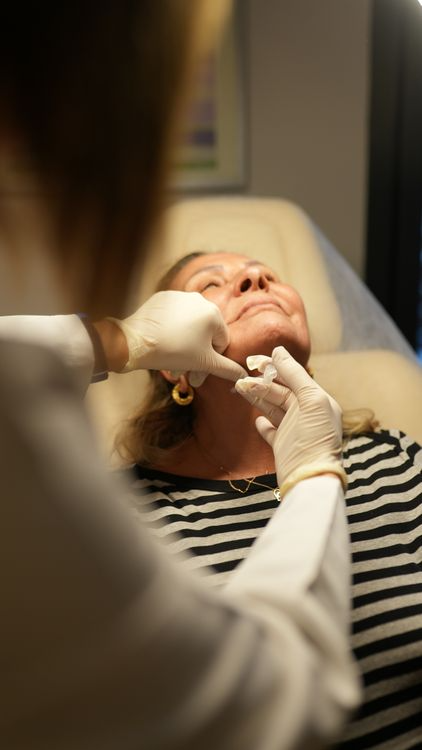
Not every popular treatment becomes a trend overnight. Some treatments slowly gain attention because patients keep coming back with positive experiences, doctors continue incorporating them into treatment plans, and results speak for themselves. PDRN is one of those treatments.
Over the past year, it has become one of the most talked-about options for people who feel their skin has lost its freshness. You know that stage where your skin isn't necessarily covered in wrinkles, but it doesn't have the same glow, bounce, or even texture it once had? That's one of the reasons so many patients are now asking about PDRN.
Many patients seeking treatment for dull skin, early signs of aging, post-acne marks, and overall skin rejuvenation are now hearing about PDRN during consultations.
What makes it particularly appealing is that it aligns perfectly with what modern patients want. Instead of creating an obvious cosmetic change, the focus is on helping the skin look healthier, brighter, and more refreshed over time.
How is PDRN Therapy Done?
A typical PDRN treatment begins with a detailed skin assessment, in which the doctor evaluates concerns such as dullness, early signs of ageing, uneven skin texture, or acne scars.
Before the procedure starts, the skin is thoroughly cleansed, and a topical numbing cream may be applied to ensure comfort during treatment. Once the skin is prepared, the PDRN solution is introduced into the treatment area through a series of tiny injections or by combining it with procedures that enhance absorption into the skin.
The session usually focuses on areas showing signs of skin damage, dehydration, loss of elasticity, or post-acne marks. The entire procedure is generally completed within 30 to 60 minutes, depending on the treatment area and technique used.
After the session, patients may notice mild redness or slight swelling, which typically settles within a short period. Since the treatment works by supporting the skin's natural repair mechanisms, improvements develop gradually over the following weeks as skin quality continues to improve.
Are You an Ideal Candidate for PDRN?
You may be a suitable candidate if you are experiencing:
• Dull and tired-looking skin
• Early signs of ageing
• Acne scars
• Uneven skin texture
• Loss of skin elasticity
• Dehydrated skin
• Reduced skin radiance
It is especially popular among patients in their late twenties, thirties, and forties who want to maintain healthy skin before more significant signs of ageing appear.
What Results Can Patients Expect?
Unlike treatments that create an instant cosmetic effect, PDRN works gradually.
Many patients begin to notice improvements in skin texture, hydration, and overall brightness in the following weeks. The skin often appears healthier, smoother, and more refreshed without looking artificial or overdone.
Exosome Therapy
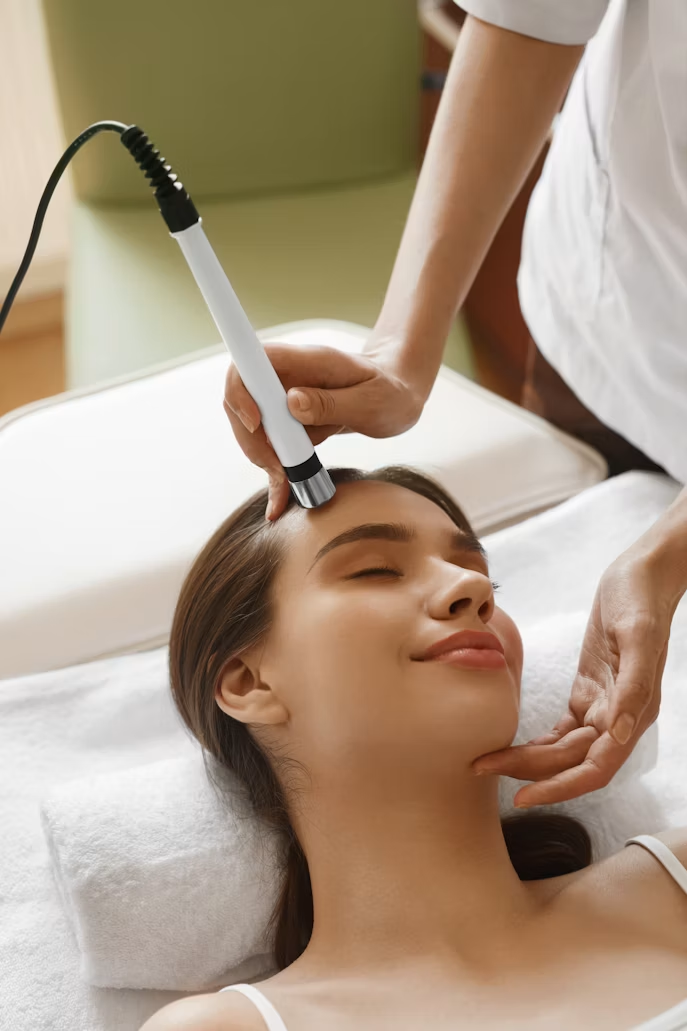
Exosomes are tiny extracellular vesicles that act as messengers between cells. They contain growth factors, proteins, peptides, and signalling molecules that help support intercellular communication and promote tissue repair.
In aesthetic medicine, Exosome Therapy is commonly used for skin rejuvenation, scar improvement, and hair restoration.
What makes it particularly exciting for both doctors and patients is its versatility. Rather than targeting just one concern, it can be incorporated into different treatment plans depending on individual goals.
It has become especially popular among patients looking for:
• Skin rejuvenation without looking overdone
• Improved skin texture and quality
• Support for acne scar treatments
• Hair restoration solutions
• Faster recovery following certain aesthetic procedures
As awareness around regenerative aesthetics continues to grow, Exosome Therapy is quickly becoming one of the most requested treatment options in modern clinics.
What’s the Procedure?
The procedure may vary depending on whether the treatment is being performed for the skin or the scalp. For facial rejuvenation, Exosome Therapy is often combined with microneedling.
The session usually begins with a consultation and skin assessment. Once the skin is cleansed, a topical numbing cream may be applied for comfort.
A microneedling device is then used to create controlled microchannels in the skin. The exosome solution is applied during or immediately after the procedure, allowing the regenerative ingredients to penetrate more effectively.
For hair restoration treatments, the exosome solution may be applied to targeted areas of the scalp as part of a personalised treatment plan.
Most sessions take approximately 45 to 90 minutes, depending on the treatment area.
Who Is an Ideal Candidate for Exosome Therapy?
Exosome Therapy may be recommended for individuals experiencing:
• Dull and tired-looking skin
• Uneven skin texture
• Early ageing concerns
• Acne scars
• Hair thinning
• Reduced hair density
• Skin that appears stressed or damaged
It is often chosen by patients looking for a regenerative approach to skin and hair health.
Is There Any Downtime?
Most patients experience temporary redness after treatment, particularly when Exosome Therapy is combined with microneedling.
The recovery period is generally manageable, and many patients return to normal activities relatively quickly.
What Results Can Patients Expect?
Results develop gradually as the skin or scalp responds to the treatment.
Patients often report improvements in skin quality, texture, and overall radiance over time. When used as part of hair restoration protocols, many individuals notice healthier-looking hair and improvements in overall hair quality.
RF Microneedling
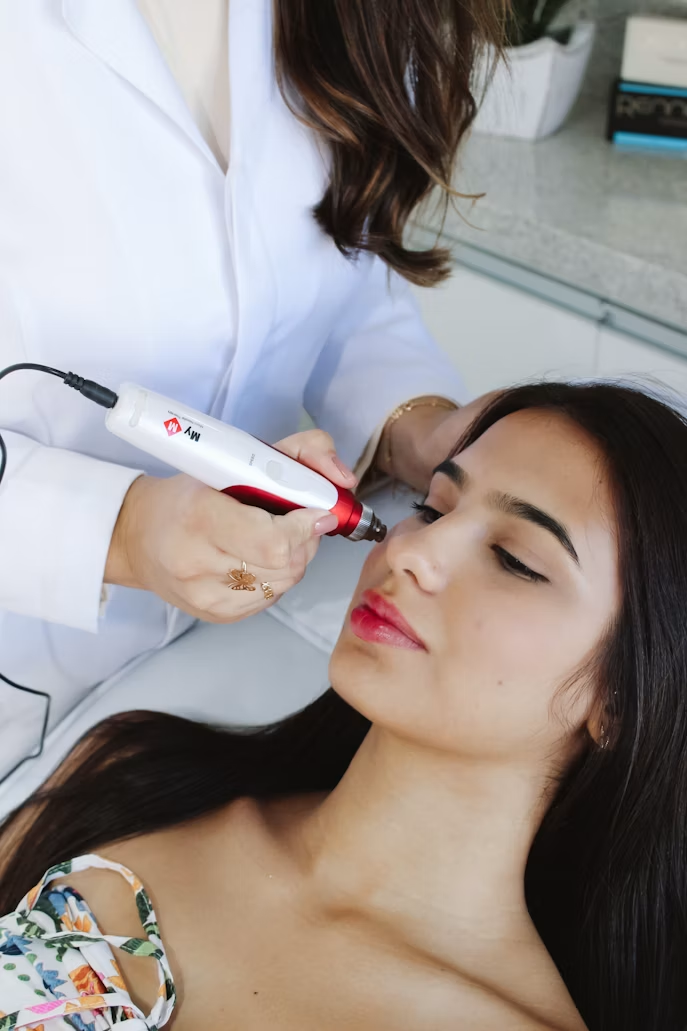
RF Microneedling combines two proven technologies into a single treatment.
The first is microneedling, which creates tiny controlled micro-injuries in the skin. The second is radiofrequency energy, which is delivered into the deeper layers of the skin during the procedure.
Together, they help stimulate collagen production, which plays an important role in maintaining firm, smooth, and healthy-looking skin.
Because the treatment works beneath the skin's surface, it can target concerns that many creams and serums simply can't address on their own.
RF Microneedling is often recommended for concerns such as:
• Acne scars
• Open pores
• Uneven skin texture
• Fine lines
• Mild skin laxity
• Early signs of ageing
As more people focus on long-term skin quality rather than quick fixes, treatments that stimulate collagen continue to remain in demand.
How Is RF Microneedling Performed?
The procedure usually starts with a consultation where the doctor assesses your skin concerns and treatment goals.
On the day of the treatment, the skin is thoroughly cleansed, and a numbing cream is applied to help keep the procedure comfortable.
Once the skin is prepared, the RF Microneedling device is moved across the treatment area. Tiny needles create controlled channels in the skin while simultaneously delivering radiofrequency energy into deeper layers.
The entire process typically takes around 45 to 60 minutes, depending on the area being treated. After the session, the skin may appear slightly red, similar to a mild sunburn, but this usually improves within a few days.
Is RF Microneedling Right for You?
This treatment is commonly recommended for people who feel their skin has become rougher, less firm, or more textured over time.
You may be a good candidate if you're dealing with:
• Acne scars that haven't improved with skincare alone
• Enlarged pores
• Mild skin sagging
• Fine lines and early wrinkles
• Uneven skin texture
• Dull-looking skin
Many patients in their late twenties, thirties, and forties choose RF Microneedling as part of their collagen-maintenance routine.
How Much Downtime Is Involved?
Most patients can return to normal daily activities relatively quickly. It's common to experience temporary redness, mild swelling, or sensitivity after treatment. These effects usually settle over the following days as the skin recovers.
When Can You Expect Results?
Unlike treatments that create an immediate cosmetic change, RF Microneedling works gradually. As collagen production increases over the following weeks and months, many patients notice smoother skin, improved texture, and a more refined overall appearance.
And perhaps that's why RF Microneedling continues to remain a clinic favourite year after year. While new treatments come and go, the demand for healthy, strong, collagen-rich skin never really goes out of style.
Skin Boosters
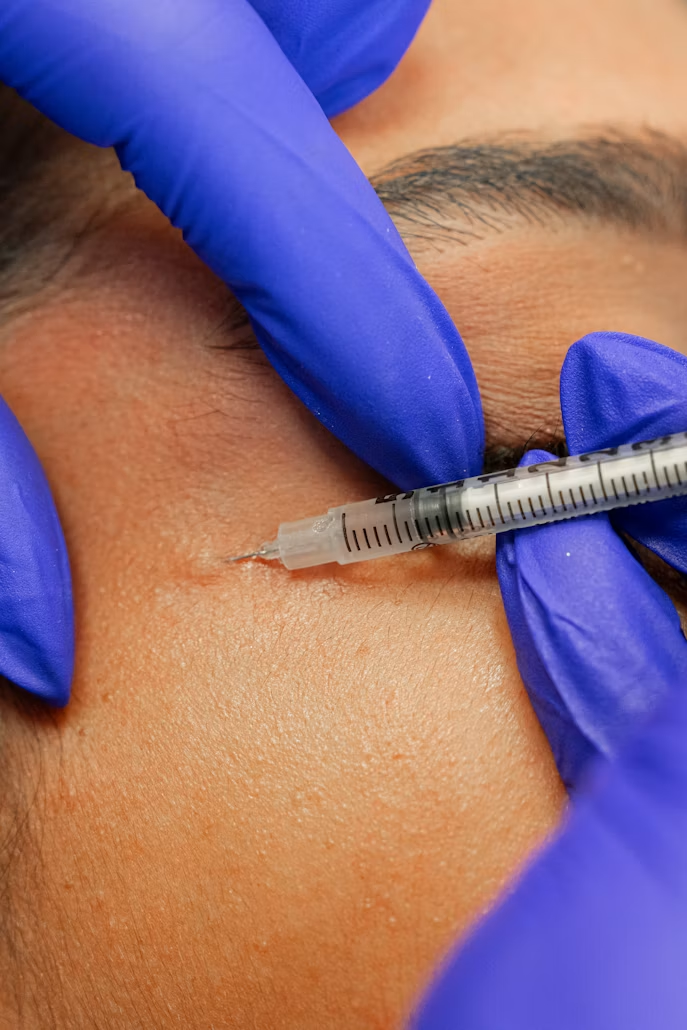
Unlike traditional dermal fillers, which are primarily used to add volume or contour specific facial areas, Skin Boosters are designed to improve hydration, skin quality, and overall radiance. Many Skin Boosters contain hyaluronic acid, a substance naturally found in the skin that helps attract and retain moisture.
As we age, the skin gradually loses moisture and elasticity. This can lead to dryness, dullness, fine lines, and a tired-looking appearance. Skin Boosters work by delivering deep hydration to the skin, helping it look smoother, healthier, and more refreshed.
What’s the Procedure?
The treatment begins with a consultation to understand the patient's skin concerns and goals. After cleansing the skin, a topical numbing cream is usually applied to improve comfort during the procedure.
The Skin Booster is then carefully introduced into targeted areas through a series of small injections.
The entire session is generally completed within 30 to 60 minutes.
Following treatment, some patients may experience mild redness, swelling, or tiny bumps at the injection sites. These effects are temporary and usually settle within a few days.
Who Is an Ideal Candidate for Skin Boosters?
One of the reasons Skin Boosters have become so popular is that they suit a wide range of patients. They are often recommended for people experiencing:
• Dry or dehydrated skin
• Dull skin lacking radiance
• Fine lines caused by dehydration
• Rough skin texture
• Early ageing concerns
• Loss of skin elasticity
They are also commonly chosen by individuals preparing for weddings, important events, photoshoots, or special occasions where they want their skin to look its absolute best.
Why Are Skin Boosters a Favourite for Bridal Skin Preparation?
Brides today aren't just looking for makeup that photographs well. They want healthy skin underneath the makeup. Well-hydrated skin tends to appear smoother, brighter, and more radiant in photographs. Makeup often sits better on well-prepared skin, creating a more natural finish.
This is one reason many brides choose Skin Boosters several weeks or months before their wedding celebrations.
Is There Any Downtime?
Most patients experience only minimal downtime. Mild redness, swelling, or small injection marks can occur immediately after treatment but generally settle quickly.
Because recovery is relatively manageable, many patients choose the procedure even during busy schedules.
When Will You See Results?
Some improvements in hydration and radiance may become noticeable fairly soon after treatment. However, the skin often continues to look better over the following weeks as hydration levels improve and overall skin quality is enhanced.
The result isn't an artificial or overdone appearance. Instead, the skin simply looks healthier, fresher, and more luminous.
Baby Botox
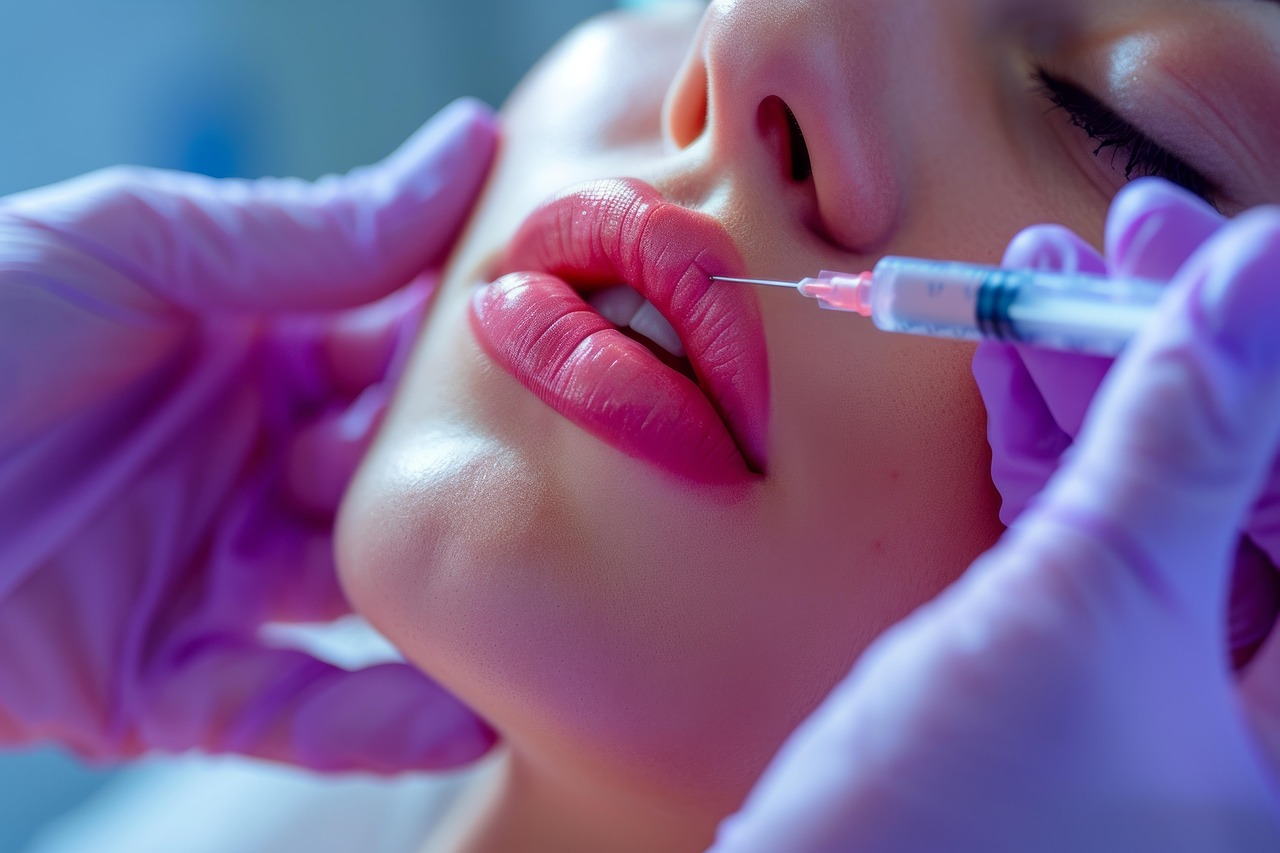
Despite the name, Baby Botox isn't a completely different treatment. The term simply refers to using smaller, more precise doses of Botox to achieve softer and more natural-looking results.
Instead of significantly restricting facial movement, the goal is to gently relax specific muscles before wrinkles become deeply etched into the skin.
The result is often subtle enough that friends and family may notice you look fresher without being able to identify exactly what's different.
Which Areas Are Commonly Treated?
Baby Botox is most commonly used in areas where repetitive facial movements gradually create expression lines. These include:
• Forehead lines
• Frown lines between the eyebrows
• Crow's feet around the eyes
Depending on the individual's concerns, doctors may recommend treating one or multiple areas.
What Happens During a Baby Botox Treatment?
The procedure is relatively quick and straightforward. The treatment begins with a consultation where the doctor evaluates facial movements, existing lines, and overall treatment goals.
Once the treatment plan is finalised, small amounts of Botox are carefully injected into specific facial muscles using very fine needles.
The injections themselves usually take only a few minutes. Many patients are surprised by how fast the procedure is, often completing the entire appointment during a lunch break.
Who Is an Ideal Candidate for Baby Botox?
Baby Botox is often recommended for people who are beginning to notice:
• Fine forehead lines
• Early frown lines
• Crow's feet
• Expression lines that linger after facial movements
It is particularly popular among individuals in their late twenties and thirties who are interested in preventive ageing strategies.
However, suitability always depends on individual goals, facial anatomy, and professional assessment.
Is There Any Downtime?
One of the reasons Baby Botox remains so popular is convenience. Most people return to their normal daily activities shortly after treatment.
There may be mild redness or small injection marks immediately afterwards, but these typically fade quickly.
When Will You See Results?
Results don't appear instantly. Most patients begin noticing changes within several days, with the full effect developing over the following weeks.
The goal isn't to dramatically alter facial features. Instead, the face often appears smoother, more relaxed, and refreshed while still looking completely natural.
People aren't chasing perfection anymore. They're simply looking for smart, subtle ways to stay ahead of the ageing process, and Baby Botox fits perfectly into that mindset.
HIFU
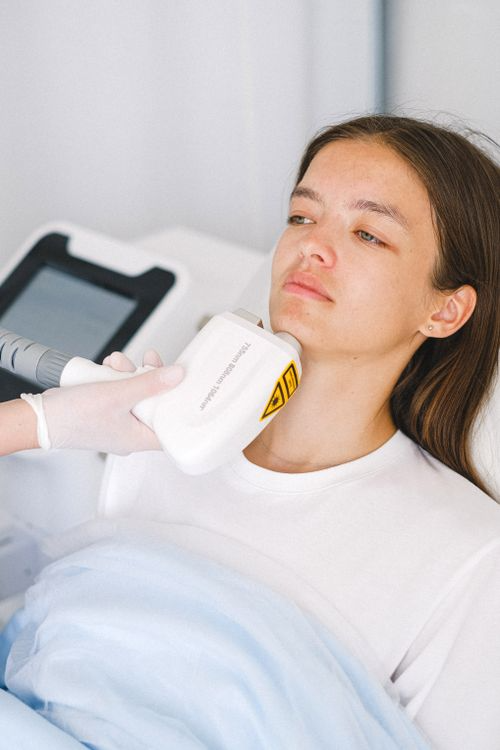
HIFU stands for High-Intensity Focused Ultrasound.
It is a non-surgical treatment that uses focused ultrasound energy to target deeper layers beneath the skin's surface.
Unlike many treatments that work primarily on the outer layers of the skin, HIFU reaches deeper tissue levels where collagen stimulation can help improve firmness and support a lifting effect over time.
Because of this, it has become a popular option for people who want subtle lifting and tightening without undergoing surgery.
What Does a HIFU Session Involve?
The treatment begins with a consultation to evaluate concerns and determine whether HIFU is suitable for the patient.
On the day of the procedure, the treatment area is cleansed and marked.
A specialised handheld device is then placed against the skin. This device delivers focused ultrasound energy at specific depths beneath the skin's surface.
As the treatment progresses, controlled energy reaches targeted tissue layers while leaving the outer surface of the skin unaffected.
Depending on the area being treated, the procedure can take anywhere from 30 to 90 minutes. Many patients describe the sensation as mild warmth or brief tingling during treatment.
Which Areas Can Be Treated?
One of the reasons HIFU remains so popular is its versatility.
It is commonly used for:
• Jawline definition
• Lower face tightening
• Neck tightening
• Mild skin sagging
• Chin area contouring
In some cases, it may also be used on selected body areas where mild tightening is desired.
Who Is an Ideal Candidate for HIFU?
HIFU is often recommended for individuals who are beginning to notice mild to moderate skin laxity. It may be suitable for people who:
• Feel their jawline has become less defined
• Notice mild sagging around the lower face
• Want a tighter-looking neck area
• Prefer non-surgical treatments
• Are looking for preventive collagen stimulation
Many patients choose HIFU to address early changes before they become more noticeable.
Is There Any Downtime?
HIFU is known for requiring little to no downtime. Some patients may experience temporary redness, mild tenderness, or slight swelling immediately after treatment, but these effects are generally short-lived.
Most individuals return to their normal routine shortly after their appointment.
When Will You See Results?
Unlike treatments that produce immediate cosmetic changes, HIFU relies on the body's natural collagen-building process.
As new collagen develops over the following weeks and months, patients may gradually notice improved firmness, tighter contours, and better definition around treated areas.
This gradual improvement is one of the reasons many patients appreciate HIFU. The results tend to appear naturally, without making it obvious that a cosmetic procedure has been performed.
Advanced Laser Treatments
If there's one thing skincare products struggle to do, it's completely reverse years of skin damage. A good skincare routine can absolutely help maintain healthy skin. Sunscreen can prevent further damage. Serums can improve hydration and brightness.
There comes a point when serums and creams can only do so much. If pigmentation, acne scars, or uneven skin texture still bother you, laser treatments are often the next step people explore. And despite all the new treatments entering the market, lasers remain among the most trusted options for skin correction and skin rejuvenation.
The reason is simple. Different skin concerns require different solutions.
Someone struggling with acne scars has very different needs from someone dealing with melasma or sun damage. That's why modern aesthetic clinics no longer rely on a single laser for everyone. Instead, doctors customise treatments based on the patient's skin type, concern, and goals.
Let's look at some of the laser technologies that are leading the way in 2026.
Pico Laser
Pigmentation can be so frustrating. Sometimes it develops after acne. Sometimes it's caused by sun exposure. In many cases, patients have already spent months trying different creams and serums before they finally visit a clinic.
Pico Laser technology is designed to target unwanted pigmentation while supporting overall skin rejuvenation. Because of its advanced technology, it has become a frequently discussed treatment for uneven skin tone, sun damage, and pigmentation concerns.
Procedure
The skin is first assessed to determine whether the treatment is suitable and which areas need attention. During the procedure, laser energy is delivered to targeted areas of the skin using a specialised device.
Most sessions are relatively quick, although treatment time varies depending on the area being addressed. Patients often describe the sensation as mild snapping or tingling during the procedure.
Who May Benefit from Pico Laser?
Pico Laser is commonly considered for:
• Pigmentation concerns
• Uneven skin tone
• Sun damage
• Dull-looking skin
• Overall skin rejuvenation
Fractional CO2 Laser
For many people, acne doesn't end when the breakouts stop. The scars often remain long after the active acne has disappeared.
Some scars create uneven texture. Others leave visible depressions in the skin. In many cases, patients feel that no amount of makeup or skincare can completely hide them. It's no surprise that Fractional CO2 Laser is still one of the most commonly recommended treatments for acne scars and skin resurfacing.
Because it focuses on skin resurfacing and collagen stimulation, it is frequently recommended for improving skin texture and reducing the appearance of acne scars.
Procedure
Before treatment, the skin is thoroughly cleansed, and a numbing cream may be applied.
The laser creates controlled microscopic treatment zones within the skin, stimulating the body's natural healing response. Over time, this process encourages skin renewal and collagen production.
Who Is It Best For?
Fractional CO2 Laser is often recommended for:
• Acne scars
• Uneven skin texture
• Skin resurfacing
• Fine lines
• Certain signs of photoaging
Broadband Light (BBL)
Not every patient has deep scars or severe pigmentation. Sometimes the concern is more subtle. The skin looks dull. There is uneven redness.
Years of sun exposure have begun to show as patches of discolouration. The overall complexion simply doesn't look as fresh as it once did. For concerns like these, BBL has become a go-to treatment for many patients.
Procedure
A handheld device delivers light energy to the skin, targeting specific concerns while promoting overall rejuvenation.
Treatment sessions are usually relatively quick and require minimal interruption to daily activities.
Common Reasons Patients Choose BBL
• Sun damage
• Redness
• Uneven skin tone
• Skin rejuvenation
• Age-related skin changes
Fractional Laser Treatments
One of the biggest trends in aesthetics today is skin refinement. Patients aren't necessarily looking for dramatic changes.
They simply want smoother skin. Smaller-looking pores. More even texture. Better overall skin quality. This growing demand has made Fractional Laser treatments increasingly popular.
These treatments create controlled areas of injury within the skin, encouraging the natural repair process and stimulating collagen production.
Common Concerns Fractional Lasers Can Address
• Uneven texture
• Mild acne scarring
• Fine lines
• Pigmentation concerns
• Enlarged pores
8. PRP and PRF
Hair fall has a funny way of sneaking up on people. At first, it's a few extra strands on the pillow. Then it starts showing up in the shower drain.
One day you're getting ready in front of the mirror and suddenly notice your ponytail feels thinner than it used to. Or maybe your hairline doesn't look quite the same in photographs.
For many people, that's the moment concern turns into action.
And that's exactly why regenerative hair treatments such as PRP and PRF continue to be among the most requested procedures in aesthetic clinics.
Unlike temporary solutions that simply try to hide the problem, these treatments focus on supporting the scalp and hair follicles using the body's own natural healing components.
As conversations around hair health continue to grow, more patients are choosing to address thinning hair early rather than waiting until hair loss becomes more advanced.
What Are PRP and PRF?
PRP stands for Platelet-Rich Plasma, while PRF stands for Platelet-Rich Fibrin.
Both treatments use components obtained from the patient's own blood.
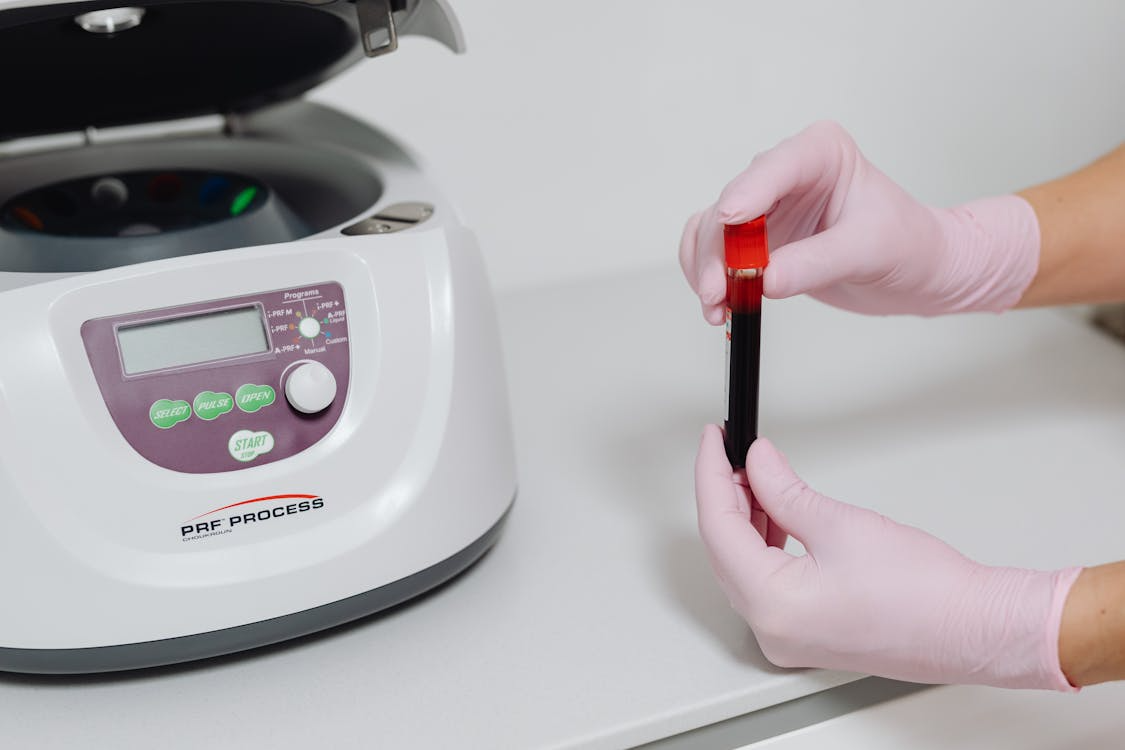
A small blood sample is collected and processed to separate the beneficial growth-factor-rich portion that can then be used as part of the treatment.
While both treatments fall under regenerative medicine, PRF is often considered a newer generation approach and is increasingly being used not only for hair restoration but also for skin healing and under-eye rejuvenation.
How Is PRP or PRF Performed?
The treatment begins with a consultation to understand the patient's concerns and evaluate hair health. Once the treatment plan is finalised, a small sample of blood is collected.
The blood is then processed using specialised equipment to separate the platelet-rich component.
After preparation, the concentrated solution is carefully introduced into targeted areas of the scalp. The procedure itself is relatively quick and is usually completed within a single clinic visit.
Because the treatment uses material derived from the patient's own blood, it has become a preferred option for individuals looking for a more natural treatment approach.
Who Is an Ideal Candidate for Hair PRP or PRF?
These treatments are often recommended for people who are noticing:
• Increased hair shedding
• Thinning hair
• Reduced hair density
• Early-stage hair loss
• Weaker-looking hair growth
Many patients seek treatment when they notice their hair doesn't feel as full as it once did or when they begin to see more scalp visible than before.
PRF for Under-Eye Rejuvenation
Interestingly, PRF is no longer being discussed only in relation to hair treatments. It has also become increasingly popular for under-eye rejuvenation.
The under-eye area is often one of the first places where fatigue, ageing, and volume loss become noticeable. Even people who sleep well and maintain a healthy lifestyle sometimes feel that their under-eye area makes them look tired.
This is one reason why PRF has attracted so much interest in recent years.
Because it utilises the body's own regenerative components, many doctors use it as part of treatment plans to improve the appearance of the under-eye area while supporting skin quality and healing.
Beyond Hair and Under-Eyes: The Growing Role of PRF in Skin Healing
Another reason PRF continues to gain attention is its versatility. Many aesthetic practitioners incorporate it into treatment plans focused on skin healing, recovery, and regeneration.
As regenerative aesthetics continues to expand, treatments that support the body's own repair mechanisms are expected to play an even bigger role in the future.
So, Which Treatment Is Actually Worth Considering?
The honest answer? There isn't one treatment that's perfect for everyone.
Someone bothered by acne scars may benefit more from RF Microneedling or Fractional CO2 Laser. Someone preparing for their wedding might be more interested in Skin Boosters. A person noticing early forehead lines may start exploring Baby Botox, while someone concerned about hair thinning may look into PRP, PRF, or Exosome Therapy.
That's why aesthetic treatments have become so much more personalised than they were a few years ago.
Doctors aren't simply recommending the same procedure to every patient anymore. The focus is now on understanding what's bothering you, what's causing it, and which treatment makes the most sense for your skin, hair, age, and goals.
And perhaps that's the biggest reason treatments like PDRN, Exosomes, HIFU, RF Microneedling, Skin Boosters, and PRF are getting so much attention right now.
They aren't trying to make people look different.
They're helping people look healthier, fresher, and more confident in a way that still feels like them. Maybe that's why the best aesthetic work often goes unnoticed.
People don't ask, "Which treatment did you get?"
They simply say, "You look really good lately."
Frequently Asked Questions
Which treatment gives the best glow before a wedding?
Skin Boosters are one of the most popular choices for pre-bridal skin preparation because they're designed to improve hydration, skin quality, and overall radiance. Many brides start planning these treatments weeks or even months before their wedding.
I'm only 28. Am I too young for aesthetic treatments?
Not necessarily. In fact, many people today start treatments earlier than previous generations. Procedures such as Skin Boosters, Baby Botox, PRP, and PDRN are often chosen by individuals who want to maintain healthy skin and address concerns before they become more noticeable.
Which treatment is best for acne scars?
There isn't a single answer because every scar is different. However, RF Microneedling, Fractional CO2 Laser, PDRN, and Exosome Therapy are among the treatments commonly discussed during acne scar consultations.
What is everyone suddenly talking about when they mention Exosomes?
Exosome Therapy has become popular because it's being used for both skin rejuvenation and hair restoration. It's one of the treatments leading the growing interest in regenerative aesthetics.
I don't have wrinkles yet. Should I still consider Baby Botox?
Many people choose Baby Botox before wrinkles become deeply visible. The goal is usually to soften repetitive muscle movement and help prevent certain expression lines from becoming more prominent over time.
Which treatment helps with hair thinning?
PRP and PRF remain popular options for hair restoration, while Exosome Therapy is also attracting attention as part of modern hair growth treatment plans.
Is HIFU better than a facelift?
HIFU and surgical facelifts serve different purposes. HIFU is often chosen by people with mild skin laxity who want a non-surgical option, while surgical procedures may be considered for more advanced concerns.
Can I combine more than one treatment?
Yes, and many patients do. It's common for doctors to create personalised treatment plans that combine different procedures depending on individual concerns and goals.